Power outages cost businesses millions annually. As energy demands grow, aging substations struggle to keep up. The right transformer substation solution can prevent costly downtime while preparing your infrastructure for tomorrow's needs.
Modern transformer substations combine advanced insulation, modular designs and smart monitoring to deliver 99.9% reliability while reducing maintenance costs by up to 40% compared to conventional systems. These aren't your grandfather's substations - they're intelligent power hubs designed for our digital age.
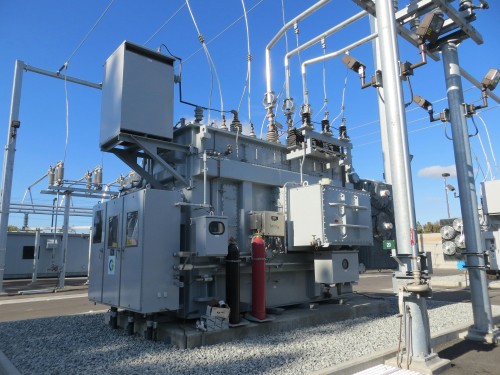
The electricity landscape is changing faster than most utilities can adapt. Between renewable integration, EV charging demands, and extreme weather events, yesterday's substation designs simply can't handle today's challenges. This is where innovative transformer substation solutions separate the prepared from the vulnerable.
What Exactly Makes Modern Substations Different?
Remember when phones were just for calls? Like smartphones revolutionized communication, today's substations are undergoing their smart transformation. The difference lies beneath the steel casing.
Modern substations use vacuum interruption technology that lasts 3x longer than traditional SF6 gas systems. Their modular construction allows for easy capacity upgrades as demand grows. Most importantly, they incorporate IoT sensors that predict failures before they occur - transforming maintenance from reactive to proactive.
How Did Ausin's Solution Save a Manufacturing Plant $2.3 Million?
The story begins with frustrated engineers at a Guangdong auto parts factory. Random voltage fluctuations were ruining their precision equipment. Production lines would mysteriously halt. Initial assessments blamed "grid instability" - the catch-all excuse that solves nothing.
Then came Ausin's diagnostic team with portable harmonics analyzers. Within hours, they identified the real culprit: resonance issues between the factory's old substation and new CNC machines. The solution wasn't more power - it was smarter power conditioning.
Ausin's engineers proposed their armored removable switchgear cabinet with built-in harmonic filters. The results stunned everyone:
Equipment failures dropped by 82% in the first quarter
Energy losses decreased by 15% through improved power factor
The system paid for itself in 11 months through productivity gains
The plant manager later joked that the substation upgrade did more for quality control than their entire QA team. While we wouldn't go that far, the case proves that sometimes the most transformative improvements come from the least visible components.
Why Shouldn't You Just Patch Your Existing Substation?
Band-Aids work for scraped knees, not power infrastructure. Temporary fixes often create bigger problems down the line. Consider this: outdated substations lose up to 8% of transmitted power as heat - that's like throwing away 1 out of every 12 solar panels you install.
Modern substations achieve 99.5% efficiency through:
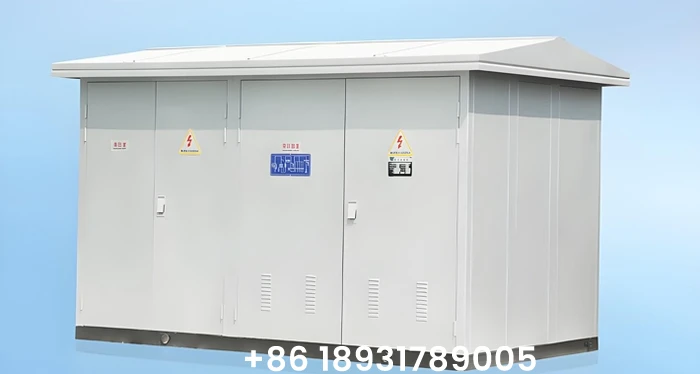
The table below compares Ausin's five core substation solutions:
| Product Name | Competitive Advantage |
|---|
| Prefabricated Transformer Substation | Factory-tested reliability |
| Combined Transformer Substation | Space-saving integration |
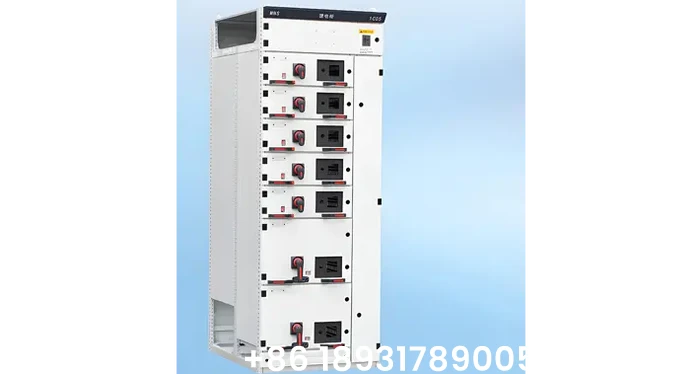
| Armored Switchgear Cabinet | Military-grade protection |
| MNS Low-voltage Cabinet | Future-ready expandability |
| Box Type Substation Shell | All-weather durability |
When Does Substation Upgrade Become Urgent?
If your facility experiences any of these symptoms, consider this your warning light:
Frequent nuisance tripping
Unexplained voltage variations
Hot spots detected during thermal imaging
Difficulty sourcing replacement parts
The tipping point often comes during expansion projects. Like realizing your old foundation can't support another floor, outdated substations frequently become the limiting factor in growth plans. One hospital chain postponed its MRI expansion for nine months because its substation couldn't handle the additional 400kW load - a $14 million delay that could have been avoided.
Daniel Richardson
Senior Power Systems Engineer (PE)
With 18 years dedicated to electrical infrastructure design, I specialize in advanced industrial power quality solutions. As a certified Professional Engineer, I have successfully led high-stakes substation projects, serving major Fortune 500 clients across Asia-Pacific.
 English