With the increasing global demand for electricity and higher requirements for the reliability and efficiency of power systems, the design and construction of substations are also continuously evolving. Combined transformer substations, as an innovative solution, have gradually become an indispensable part of modern power systems. They integrate power equipment, control systems, and other key components into a compact space, greatly improving the efficiency, reliability, and space utilization of power systems. This article will explore how combined transformer substations provide innovative solutions in the power industry, save space, improve efficiency, and simplify the construction and maintenance of substations.
Compact Design and Space Saving of Combined Transformer Substations
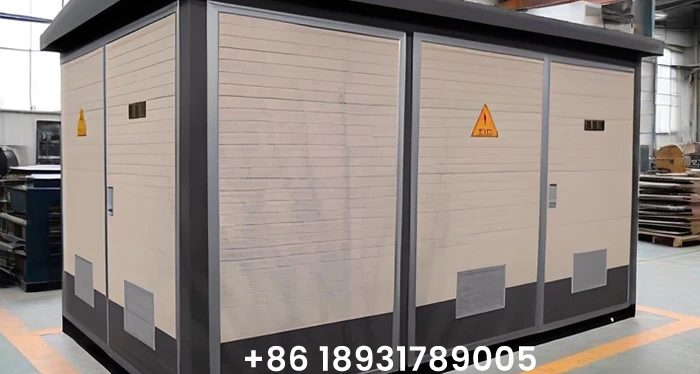
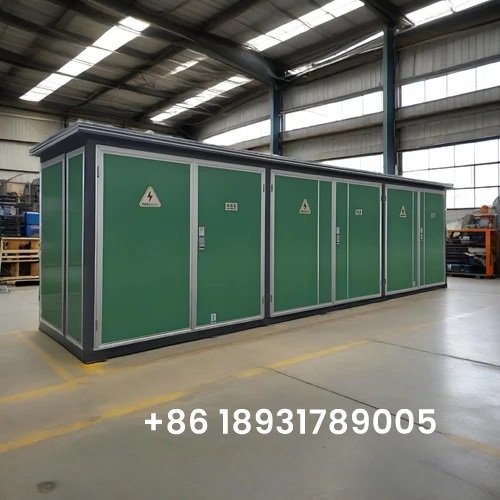
A notable feature of combined transformer substations is their compact design, which can effectively save space. Traditional substations usually require a large amount of land and building space, with a relatively loose layout of equipment, and higher construction and maintenance costs. By modularly integrating all necessary equipment and components into one whole, combined transformer substations not only optimize space utilization but also reduce the footprint. This design makes it very suitable for urban areas and other regions with limited land resources.
This compact layout can reduce the demand for land during construction, especially in rapidly urbanizing areas, where space costs are often higher. By reducing the large-scale space and building structures required by traditional substations, combined transformer substations provide a more flexible and efficient solution for the deployment of power facilities.
Improving Efficiency and Reliability of Power Systems
Combined transformer substations not only save space but also significantly improve the operational efficiency and reliability of power systems. Traditional substations usually require multiple separate devices to perform different functions, while combined transformer substations integrate multiple system functions together, reducing the complexity of connections between devices, thereby enhancing system stability.
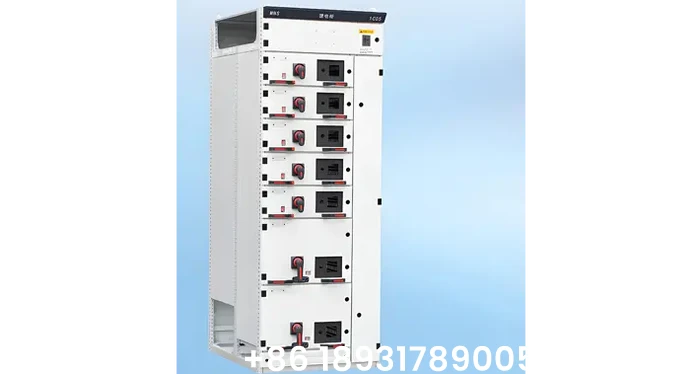
By integrating transformers, switching equipment, protection devices, and control systems into a single equipment module, combined transformer substations can ensure smoother power flow, reducing potential losses during power transmission. This way, power systems can operate more efficiently, ensuring the continuity and stability of power supply. In emergencies, combined transformer substations can quickly restore power supply by rapidly switching equipment, further enhancing system reliability.
Simplification of Construction and Maintenance of Combined Transformer Substations
In addition to improving system efficiency and reliability, the design of combined transformer substations also simplifies the construction and maintenance process of substations. Traditional substation construction usually requires complex engineering design and multiple stages of construction, and the scattered equipment layout makes maintenance more cumbersome. Modular substations, through modular design and integrated construction, significantly shorten the construction cycle.
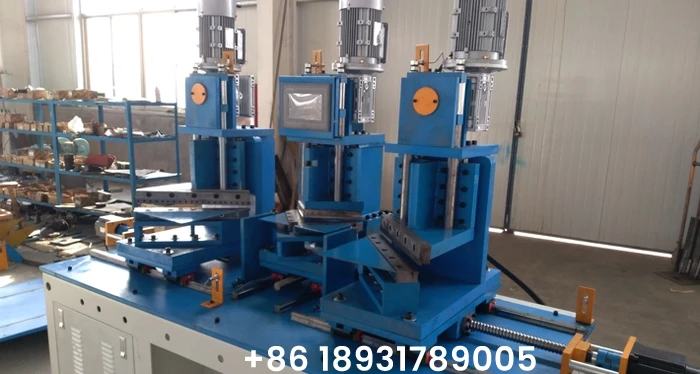
Modular components can be prefabricated in the factory, and only simple assembly is required on-site, greatly reducing construction complexity. Compared with traditional substations, combined transformer substations are more flexible in construction and can be put into use in a shorter period. Furthermore, due to the high degree of equipment integration, operators only need to perform regular inspections and maintenance on a small number of devices, greatly simplifying maintenance work.
Environmental Adaptability and Intelligent Functions of Combined Transformer Substations
Combined transformer substations are not only suitable for urban and land-scarce areas, but their excellent environmental adaptability also allows them to operate stably in harsh environments. Whether in high temperature, cold climates, or high humidity areas, combined transformer substations can ensure stable operation, ensuring that power supply is not affected by external environments.
Moreover, with the development of intelligent technology, combined transformer substations increasingly integrate intelligent monitoring and remote control systems. These systems make the operation of substations more efficient and safer, enabling real-time monitoring of the operational status of various devices, timely detection of potential problems, and early warning. Through remote control, operators can adjust the operational parameters of substations at any time, ensuring the stability of the power supply.
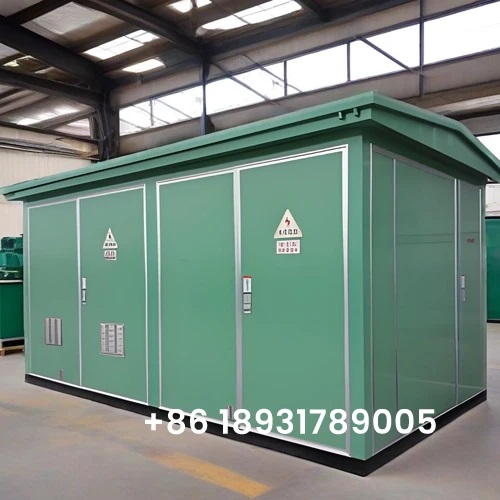
Application Prospects and Development Trends of Combined Transformer Substations
As an innovative solution in modern power systems, combined transformer substations have been widely used in urban power supply, industrial parks, energy conversion stations, and other fields. With the continuous development of smart grid technology, combined transformer substations will further integrate more automation and information functions, making the management of power systems more intelligent and refined. In the future, with the increasing proportion of renewable energy, the application of combined transformer substations in distributed grids and microgrids will be more widespread, becoming a key component of smart grids.
Overall, combined transformer substations, with their compact design, modular construction, improved system efficiency, and simplified construction and maintenance, are becoming an indispensable innovative solution in the power industry. With the continuous growth of power demand and increasing requirements for power systems, combined transformer substations will play a more important role in the future construction of power infrastructure.
Daniel Richardson
Senior Power Systems Engineer (PE)
With 18 years dedicated to electrical infrastructure design, I specialize in advanced industrial power quality solutions. As a certified Professional Engineer, I have successfully led high-stakes substation projects, serving major Fortune 500 clients across Asia-Pacific.
 English